
Table of Contents
Mangoes are often called the “King of Fruits,” and it’s easy to see why. Whether you’re already a die-hard mango fan or just starting to explore this tropical delight, the sheer variety of mangoes around the world will leave you in awe. From small, sweet varieties to large, juicy ones, each mango offers its own unique flavor, texture, and color. Some might surprise you with a creamy smoothness, while others burst with a tangy kick. In this blog, I’ll take you on a flavorful journey through the many different varieties of mangoes, explore where they come from, and help you find the one that will steal your heart (and taste buds)! Let’s enter the world of mangoes and discover what makes each variety so special!
Why Is the Variety of Mango Important?
The variety of mango you choose makes all the difference in taste, texture, and use. Here’s why:
- Flavor: Some mangoes are sweet, others tangy—each variety has its unique taste.
- Texture: Mangoes vary from creamy, like Ataulfo, to fibrous, like Haden.
- Use: Different varieties are perfect for snacking, smoothies, or cooking.
- Availability: With many varieties, mangoes are available year-round.
Exploring different varieties opens up a world of flavors and uses!
Record-Holders: Sweetest, Largest & Smallest
Credit: lawn.com.au
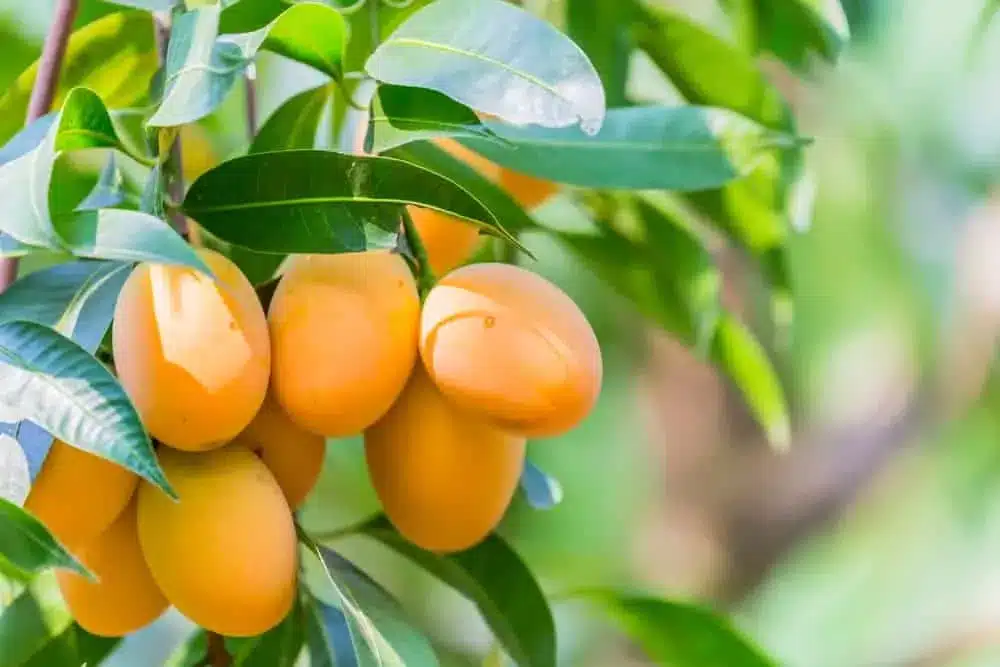
When it comes to mangoes, some stand out for their size, while others win hearts with their sweetness.
a) The Sweetest Mango: Manila Mangoes
Manila mangoes are often considered the sweetest mango variety in the world. With a smooth texture and buttery flavor, they’re a favorite for people with a sweet tooth. These mangoes are often found in the Philippines, and their yellow flesh is incredibly soft and delicious.
b) The Largest Mango: Palmer Mangoes
If you’re looking for a large mango, the Palmer mango is the one to look for. It can grow as large as 2 pounds! These mangoes are known for their smooth, vibrant color and slightly tangy flavor. Their large size makes them perfect for slicing and serving at gatherings.
c) The Smallest Mango: Ataulfo Mango
On the other end of the spectrum, Ataulfo mangoes, also known as honey mangoes, are small and plump. Despite their size, they are incredibly sweet and have a smooth, buttery texture. This variety is widely popular in Latin America and Mexico.
Famous Mango Varieties
Credit: wlrn.org
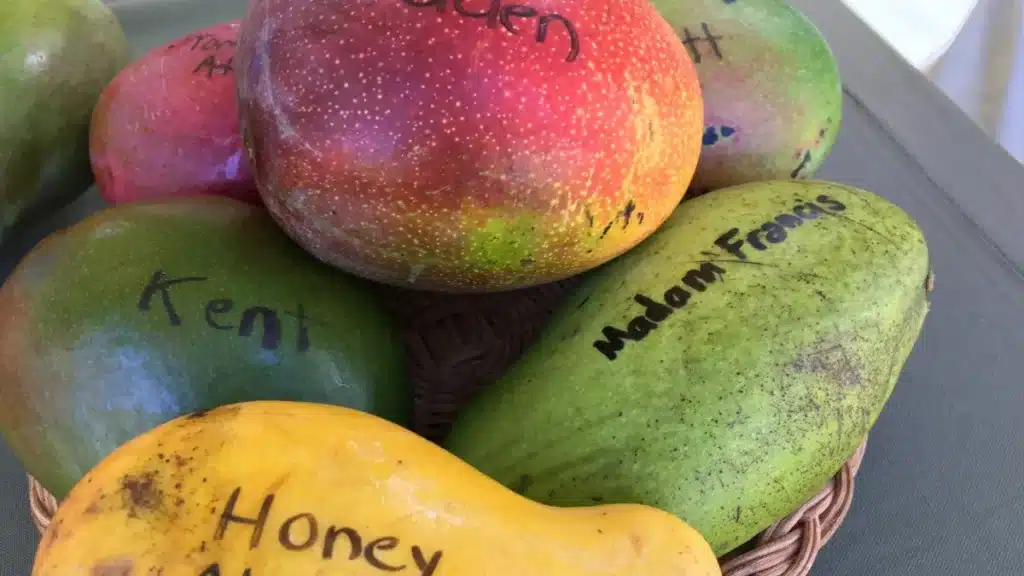
Mangoes come in so many varieties, each offering its own distinct flavor and texture. Whether you’re looking for a sweet treat or a tangy bite, there’s a mango for everyone. Let’s explore some of the most popular ones you should definitely try:
Alphonso Mango
- Known for its creamy, smooth texture.
- Offers a rich, sweet, and aromatic flavor that’s loved worldwide.
Kent Mango
- Has minimal fiber, making it super smooth.
- The perfect balance of sweetness with a hint of tartness, ideal for smoothies and desserts.
Haden Mango
- Medium-sized with a sweet flavor and a slight tang.
- Its vibrant red and green skin makes it visually striking and easy to spot.
Tommy Atkins Mango
- Commonly found in grocery stores across North America.
- A balanced sweet-tart flavor, great for snacking or adding to fruit salads.
Langra Mango
- Features a tangy, spicy flavor that stands out.
- Medium-sized with a greenish-yellow skin, making it a unique variety to try.
Keitt Mango
- Known for its refreshing, citrus-like flavor.
- It has a vibrant green skin and is perfect for a slightly tart mango experience.
Each mango variety brings something special to the table, so why not try them all and see which one is your favorite? Let’s take a look at some of the mangoes from various regions of the world.
Thai Mango Varieties
Credit: holidify.com
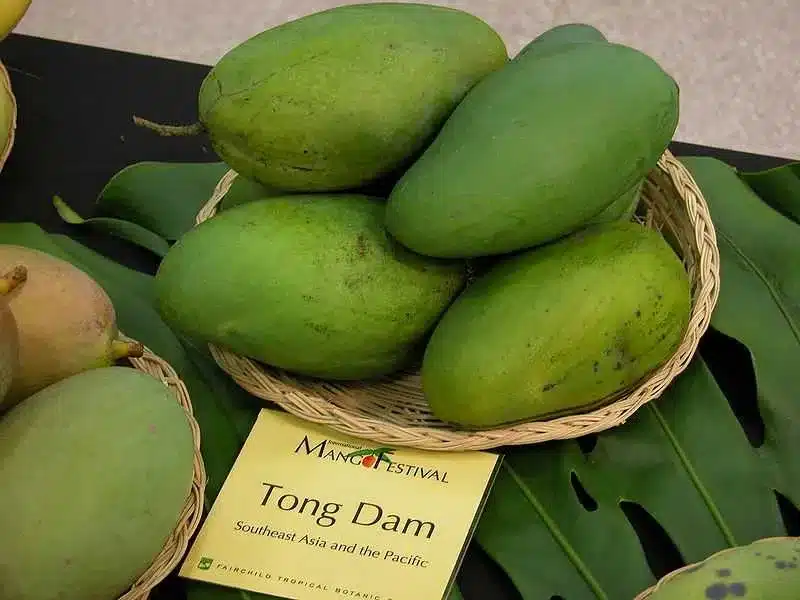
Thailand is famous for producing some of the best mango varieties, thanks to its tropical climate and ideal growing conditions. The Thai mango varieties are known for their sweetness, smooth texture, and slight tanginess.
i. Nam Dok Mai Mango
Considered the queen of Thai mangoes, Nam Dok Mai mangoes are small, sweet, and aromatic. They are popular for their smooth, non-fibrous flesh and are often served as a dessert.
ii. Keo Savoy Mango
Another variety found in Thailand, Keo Savoy mangoes are large, greenish-yellow fruits that have a rich, sweet flavor and firm flesh. They are often used in savory dishes.
Mexico (and Latin America)
Mangoes are a staple in many parts of Latin America, and the region produces some of the most delicious varieties.
iii. Ataulfo Mango
As mentioned earlier, the Ataulfo mango is one of the most beloved varieties in Mexico. Known for its small size and creamy texture, it’s perfect for making salsas, desserts, or simply eating on its own.
iv. Manila Mango
This variety is also famous in Mexico, often grown in tropical regions. Their smooth texture and sweet flavor make them a local favorite.
Egypt
Egypt is gaining a reputation for growing high-quality mangoes, and their unique varieties have made their way to international markets.
v. Zabda Mango
Zabda mangoes from Egypt are known for their golden yellow skin and sweet, aromatic flavor. They’re medium-sized and have a smooth, non-fibrous texture that makes them perfect for juices and smoothies.
Florida & the Caribbean
Credit: newrivergroves.com
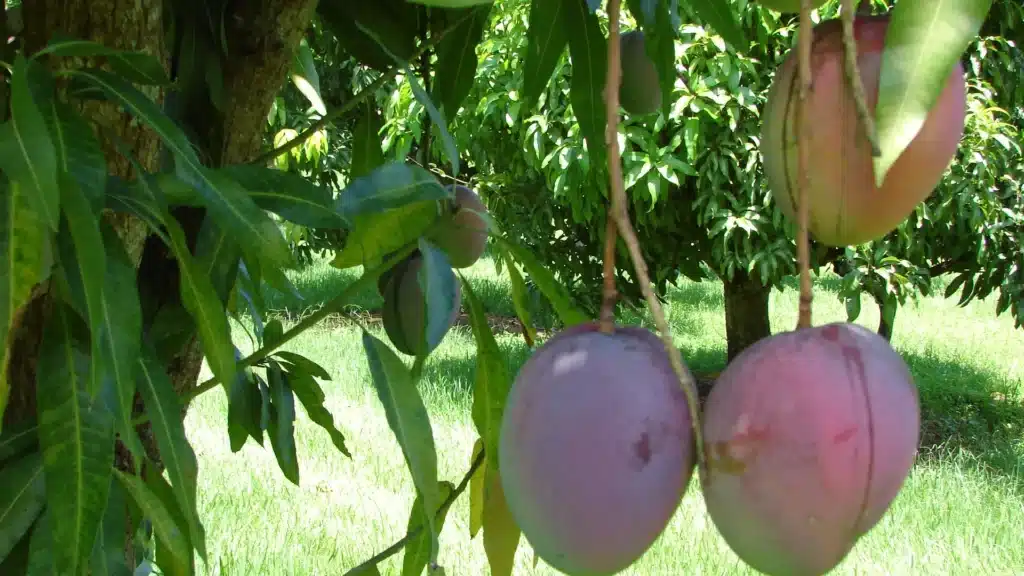
Florida and the Caribbean are famous for their tropical climate, which produces a variety of delicious mangoes.
vi. Floridian Mangoes
Florida is home to some of the best mango varieties, such as the Tommy Atkins and Haden mangoes. The tropical climate of the region ensures that these mangoes are bursting with flavor, and they’re often shipped worldwide.
vii. Caribbean Mangoes
In the Caribbean, the mangoes come in a wide range of shapes and sizes, but all share a similar vibrant sweetness. The varieties in this region are often large, juicy, and perfect for snacking or adding to tropical dishes.
How to Pick & Serve Mangoes
Picking the perfect mango is key to enjoying its sweet and juicy flavor. Here are some tips to help you choose the best mango:
- Check for ripeness: A ripe mango will have a slight give when you press on it gently. It should also have a fruity aroma.
- Examine the skin: Mangoes with yellow or golden skin are often riper. However, some varieties, like Keitt mangoes, remain green even when ripe.
- Look for color: Different varieties of mangoes have different colors when ripe. Palmer mangoes turn a reddish hue, while Manila mangoes are bright yellow.
To serve mangoes, simply slice them into cubes or strips, or use them in your favorite smoothies and desserts.
Mango, a Nutritional Juggernaut

Credit: vaanyafruit.com
Mangoes are more than just a tasty fruit; they’re packed with nutrients! Here’s why mangoes should be part of your diet:
- Rich in Vitamin C: Mangoes are loaded with Vitamin C, which helps boost the immune system and promote healthy skin.
- Full of fiber: Mangoes are a great source of fiber, which aids digestion and promotes gut health.
- Packed with antioxidants: Mangoes contain antioxidants that help protect your cells from damage and reduce the risk of chronic diseases.
If you’re interested in learning more about the health benefits of mangoes, be sure to check this guide out.
Final Word
Mangoes are truly a gift from nature, offering a world of flavors just waiting to be explored. Whether you’re a fan of the creamy, buttery texture of Manila mangoes or love sinking your teeth into the juicy, large Palmer mangoes, there’s a variety for every taste. So, the next time you take a bite of a mango, remember—you’re not just enjoying a fruit; you’re savoring a piece of history and a burst of tropical goodness.
Let’s enter into the world of mangoes and take your fruit game to the next level today!
FAQ’s
Here’s a quick look at some of the most common questions about mangoes.
What is the best mango variety?
The best mango variety depends on your taste preferences. Alphonso mangoes are known for their sweetness, while Palmer mangoes are loved for their large size.
How can I tell if a mango is ripe?
To check ripeness, gently press the mango. If it gives slightly and has a fruity aroma, it’s ripe and ready to eat.
Can I eat mango seeds?
Yes! Mango seeds are edible but hard to digest. They can be used in smoothies or other recipes, but it’s important to note they may require extra care to process.
What are the health benefits of mangoes?
Mangoes are rich in vitamin C, fiber, and antioxidants. They support immunity, digestion, and skin health.
Where do mangoes come from?
Mangoes are grown in tropical and subtropical regions. Popular mango-growing countries include India, Mexico, Thailand, and the Philippines.
